Ash on the roof, smoke in the living room
When a brush fire burns upwind during a Santa Ana, ash can travel a long way, and roofs in the South Bay are not out of its reach. Owners in Hermosa Beach tell us much the same things afterwards: a smoky smell from the fireplace that hangs on after the sky has cleared, grey grit on the hearth, a cap streaked with soot it never had before, a stain on the ceiling after the first rain.
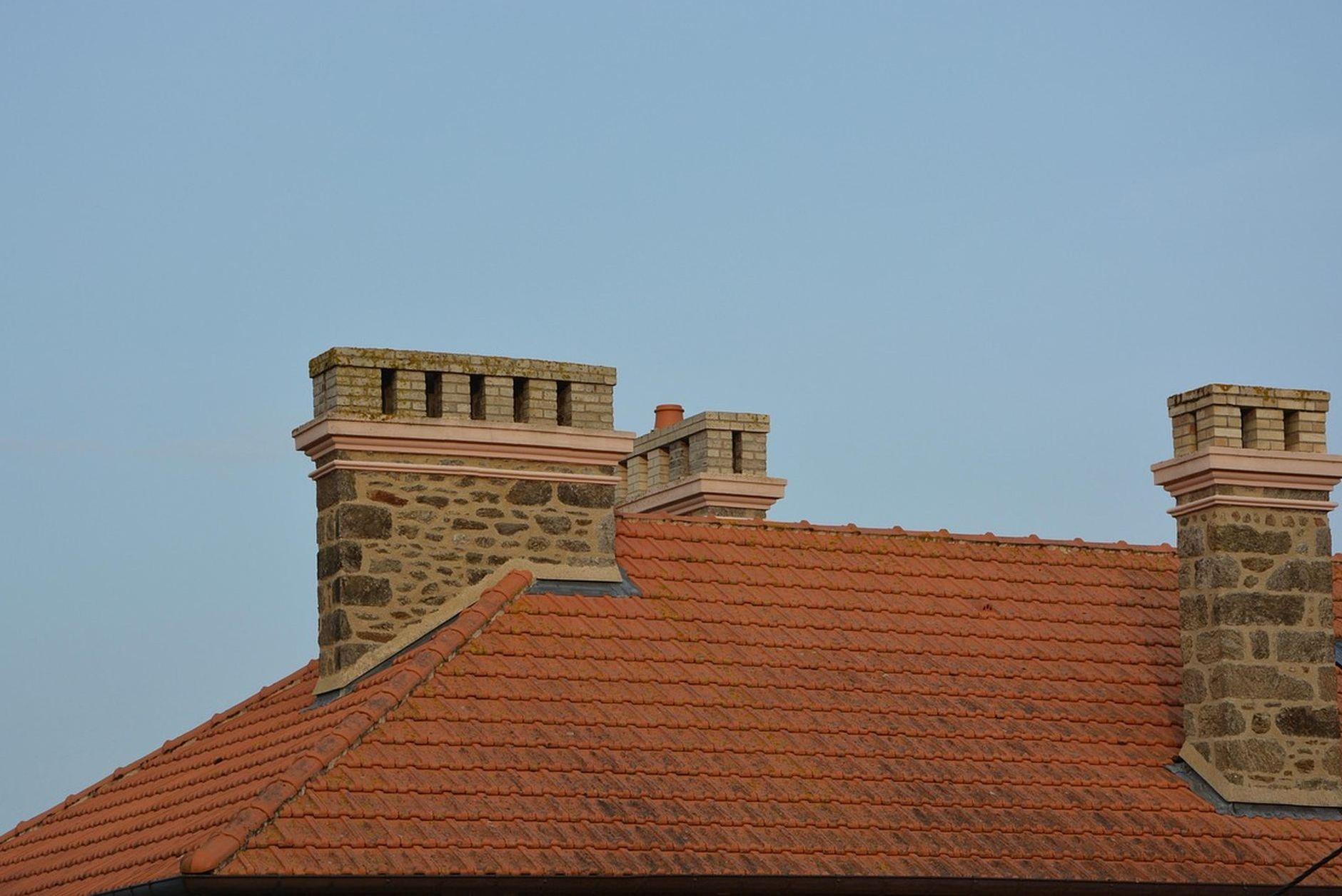
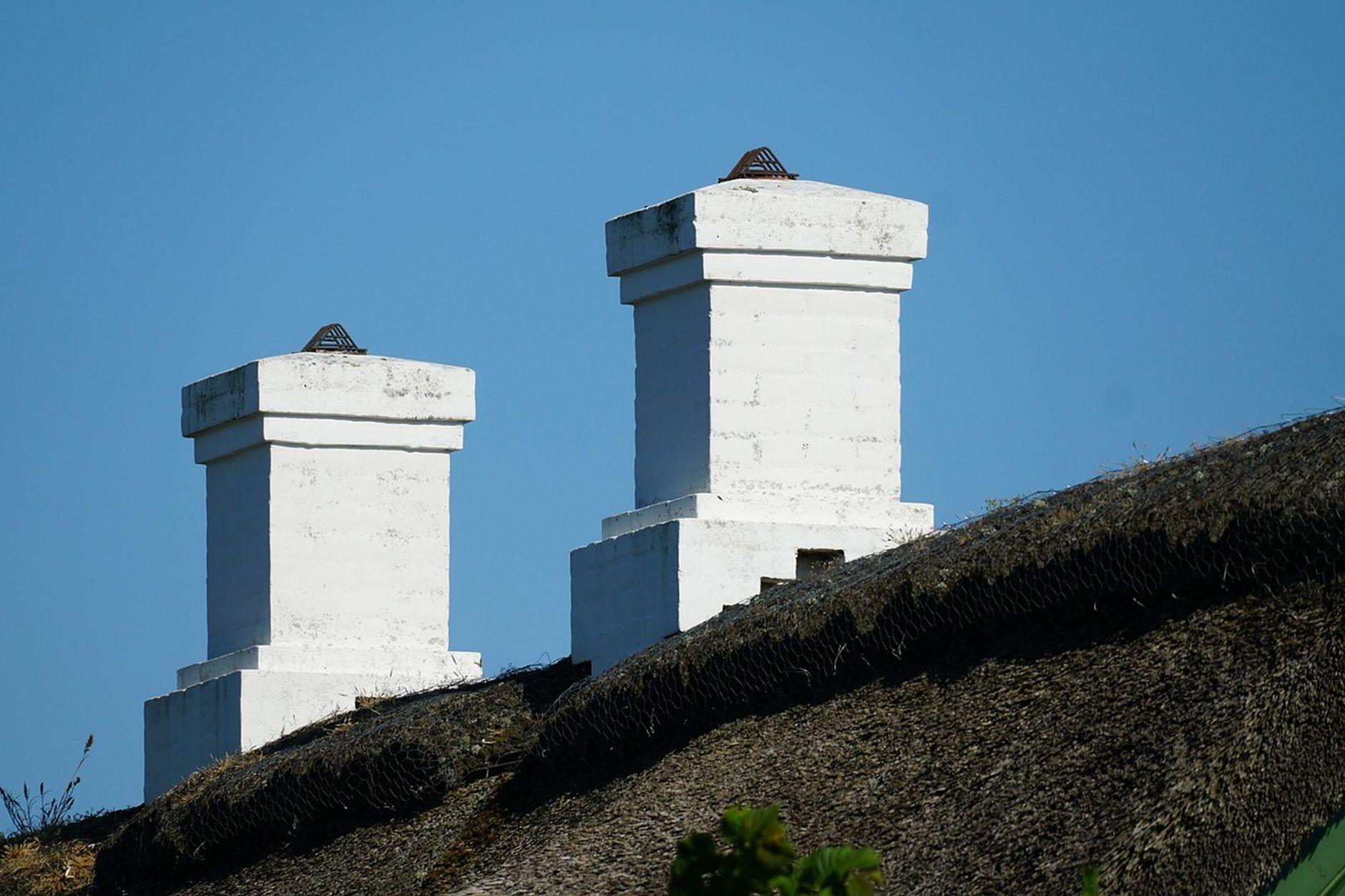
The top of the chimney takes most of it. Four parts live up there or just below, and each deals with ash, embers and the rain that follows in its own way: the cap, the crown, the chase cover on a framed chimney, and the damper. This post goes part by part, then sets out what each repair costs with Durant Chimney Works.
The cap
The cap is the first thing an ember meets. One in good shape, with its mesh whole, keeps embers out of the flue. One with rusted or torn mesh, or no cap at all, lets ash and burning debris drop straight in, and a flue with old creosote on its walls is a poor place for a live ember to land.
After ash fall we look for torn mesh, a lid knocked crooked by the wind, and soot packed into the screen tight enough to choke the draft. Marine air near the beach rusts plain steel quickly, so a cap that was already thin often fails during a windy fire season. Replacing a cap here is quoted on site, and the price depends on the size of the flue top and whether one cap has to cover more than one flue. The cap installation page has the details.
The crown
On a brick chimney the crown is the poured slab at the very top, sloped so rain runs off it. An old crown that is already crazed with fine cracks does not like heat followed by a cold rain, and wet ash settles into those cracks and holds water against the masonry. From there water works down into the brick and, in time, into the house.
Small cracks can be sealed; a crown that has broken through gets taken off and cast again. Which of those you need depends on how far the cracking runs, so crown work comes as a written figure once we have stood on the roof. The crown repair page explains the work.
The chase cover
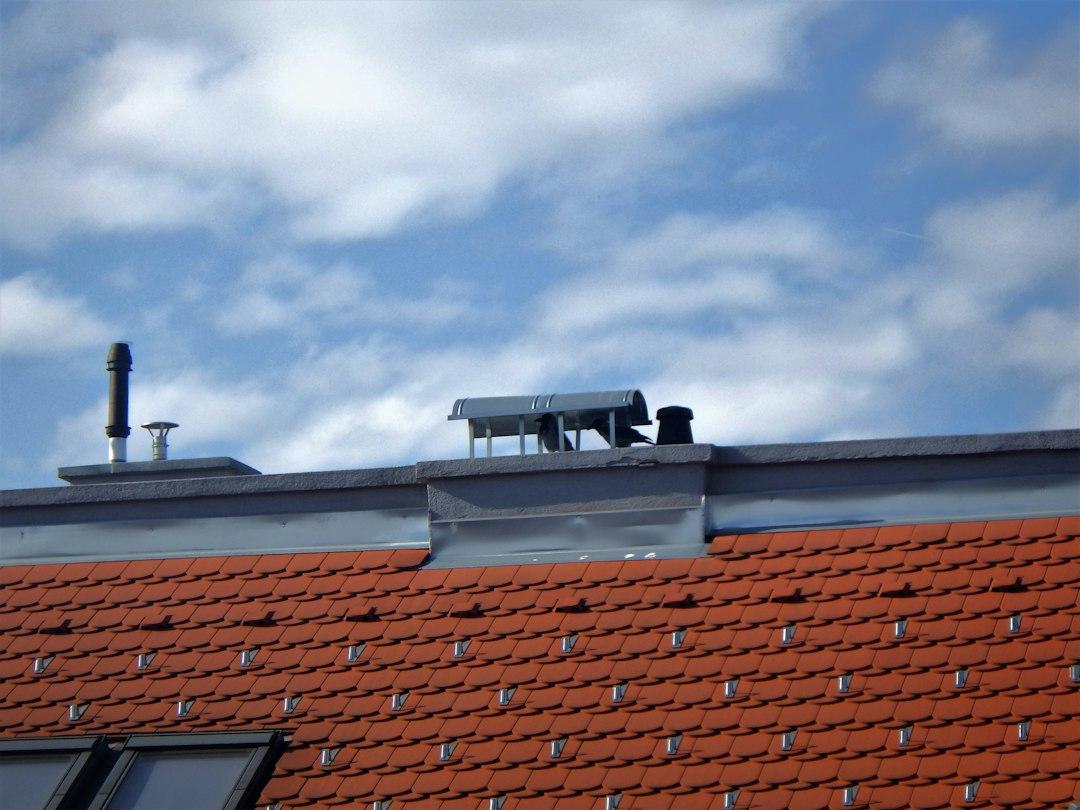
Plenty of newer houses and condos in the area have a framed chimney: a wood box around a metal flue, finished in stucco or siding, with a sheet metal cover on top. That cover is the roof of the box. When it rusts through or sags in the middle, water pools on it, and wet ash makes the pooling worse. Rust stains running down the stucco are the usual giveaway.
Covers are made to fit each chase, so the price follows the size and shape of yours and comes in writing after we measure. See the chase cover page.
The damper
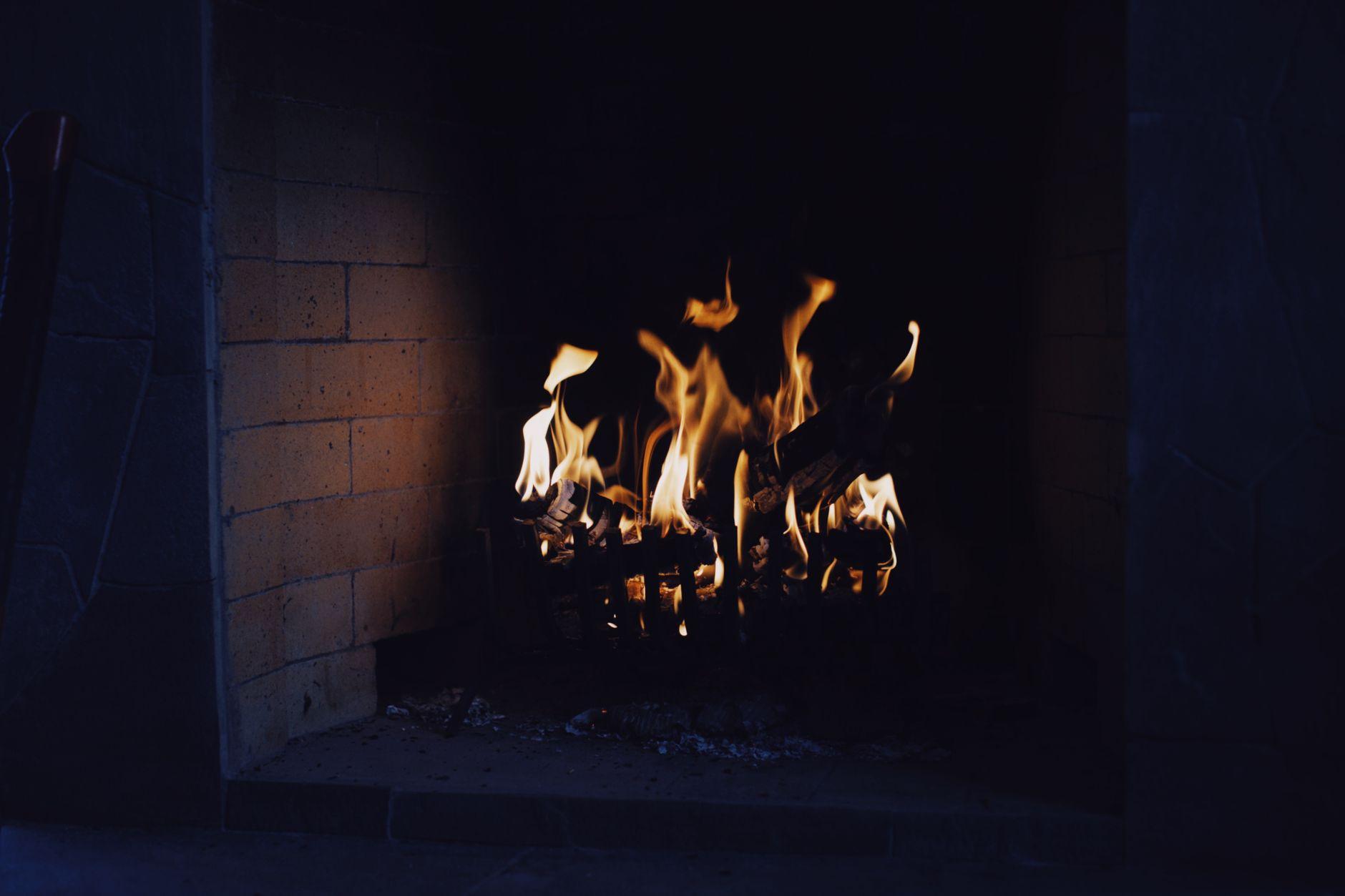
A smoky smell indoors after a nearby fire very often comes in through the fireplace. A damper that no longer shuts tight lets outside air, and the smoke riding on it, slide down the flue into the room. If the chimney itself burned, heat may also have bent the damper plate.
One answer is repairing the damper in the throat of the fireplace; another puts a closing lid on the flue up at the crown. The right pick rests on the flue size and the shape of the crown, so the price comes after we have looked. Our damper repair page covers both routes.
Water after the ash
Fire season is often followed by the first winter storms, and those storms find every crack the heat and ash opened. A stain on the ceiling beside the fireplace, or damp smell in a closet that backs onto the chimney, usually means water is getting past the top. Tracing the leak and stopping it runs $540 to $3,250 here; see the leak repair page. A water repellent on the brick only helps once the cracks are dealt with, which is why waterproofing comes after repair, never in place of it.
Prices at a glance
| Work at the top of the chimney | Price |
|---|---|
| A look at the reachable parts, roof included, Level 1 | $53 |
| Camera down the flue, if embers may have dropped in, Level 2 | $375 |
| Finding a leak and closing it off | $540 to $3,250 |
| Crown, chase cover or damper | Priced on paper after the roof visit |
| New cap, fitted | quoted after we measure |
What decides the visit you need
If the cap is whole and nothing came down the flue, a Level 1 inspection at $53 is enough to check the top and the damper. If the mesh was torn, the cap missing, or there are ember marks or charred debris in the firebox, the camera visit at $375 is the safer choice, because an ember landing on old creosote can start a small chimney fire that nobody in the house notices. Then use the request form here: say whether you found ash or grit in the firebox and whether the smoke smell is stronger with the damper open or shut. That tells us which visit to book.
If the camera does find signs of a fire in the flue, our post on the Level 2 inspection after a fire explains what comes next.
After the smoke clears
Once fire season is over, have the top of your chimney looked at by starting on the contact page. Durant Chimney Works covers Hermosa Beach, El Segundo, Lawndale and Palos Verdes Estates.
Ready for the next step?
After a chimney fire the next step is a Level 2 survey: the full flue on camera, a written report with photos, and each repair priced before work. Durant works from Hermosa Beach across El Segundo, Lawndale, Palos Verdes Estates and the rest of the county.