Why a fire changes which inspection you need
For a fireplace that has simply had another winter, a visual check of the parts within reach is usually enough. A chimney fire removes that option. Most of what a fire breaks sits inside the flue, out of sight from both the firebox and the roof. The standard the trade works to, NFPA 211, names a chimney fire as one of the events that calls for its middle, camera level of inspection. That level is Level 2, and it is the first thing Durant Chimney Works books after a fire in Hermosa Beach.
Owners sometimes ask whether a sweep alone will do. A sweep removes the burnt deposits, which has to happen, but sweeping does not tell you whether the tiles behind those deposits survived. Only the camera answers that.
What the Level 2 visit looks at
| Where | What we are looking for after a fire |
|---|---|
| Inside the flue, bottom to top, on camera | Cracked, shifted or missing tiles; open joints; a split metal liner |
| Smoke chamber and damper | Warped plates, a damper that will not shut, cracked parging |
| Firebox | Spalled brick, open mortar at the back wall |
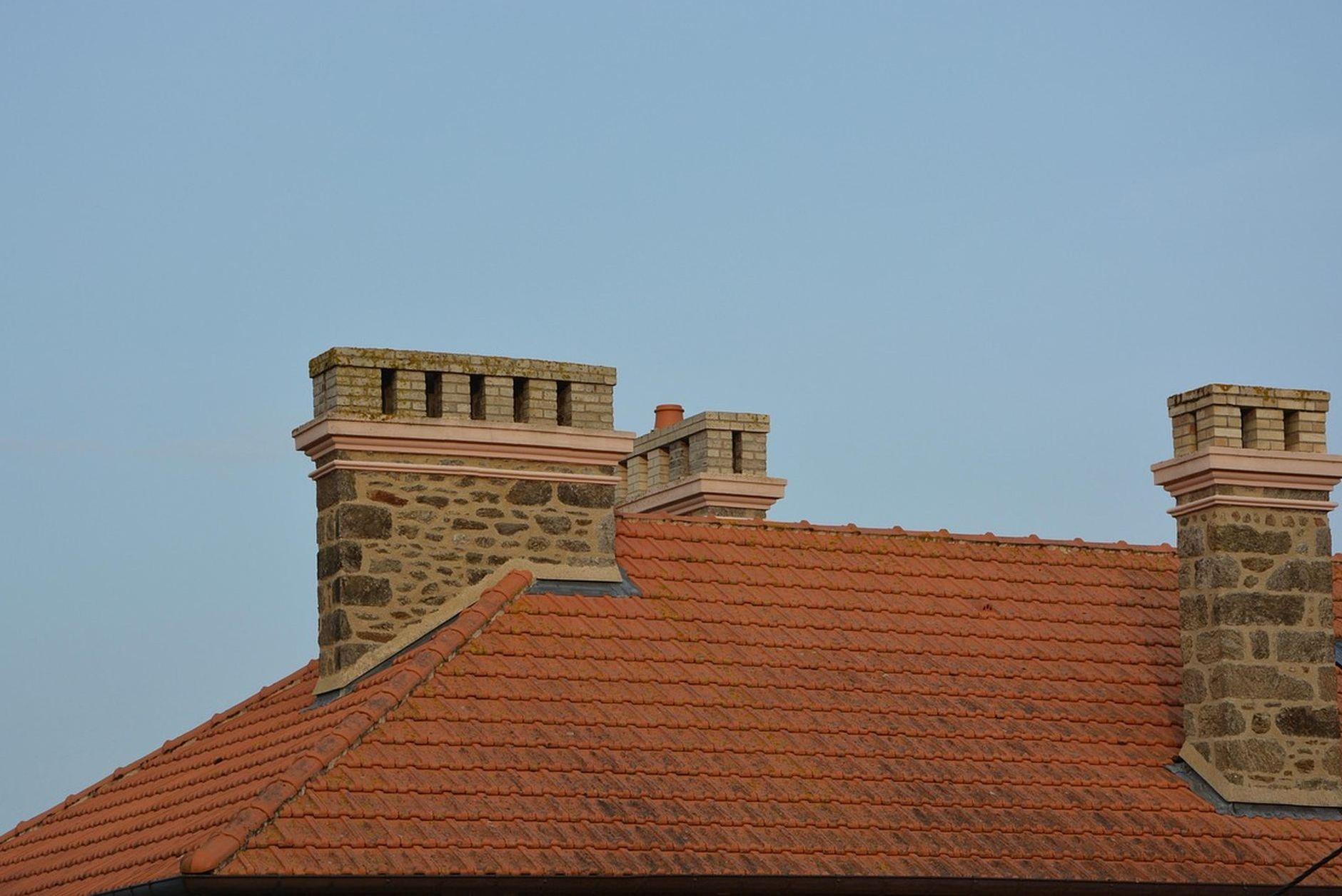
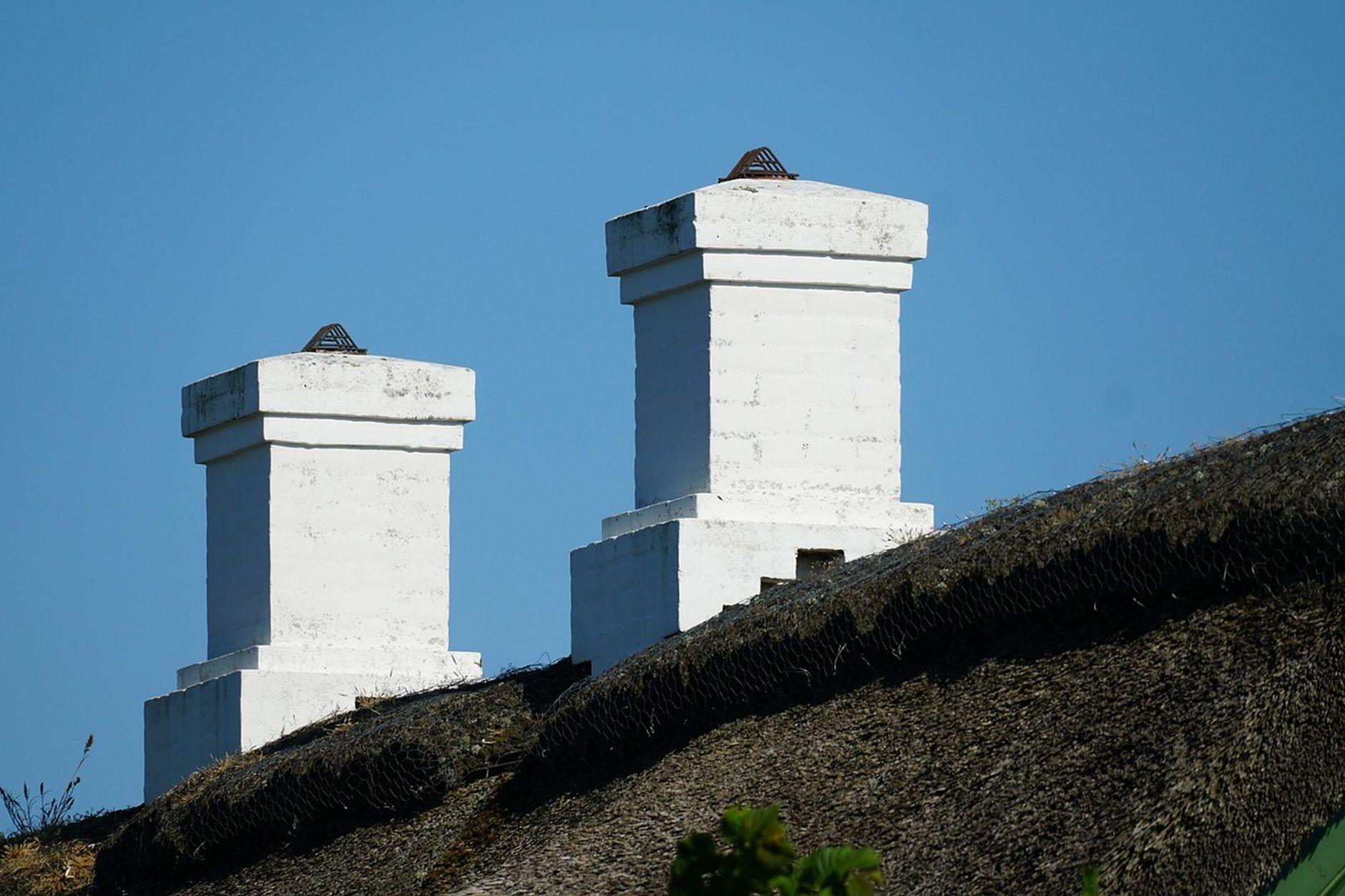
| Roof | Crown cracks, a scorched or bent cap, mortar that crumbles |
| Attic and crawl space beside the chimney, where we can reach | Charred wood, scorched insulation, gaps heat could pass through |
| Other appliances on the same chimney | Whether the fire affected a second flue or vent |
If the flue is caked in burnt deposits, we brush it out first, from $405, because a camera aimed at a crusted wall records the crust and nothing else. Then the camera runs again on the cleaned tile.
What it costs and what you receive
The Level 2 inspection is $375. For that you receive:
- a written report, each finding in plain words with its height in the flue;
- camera stills matched to each finding, with the footage on request;
- a note on whether each item looks like fresh heat damage or older wear;
- a clear answer on the fireplace: usable now, usable after named repairs, or not to be lit;
- a separate repair quote, one line per item.
The report goes to whoever booked the visit and to anyone they name when booking: an adjuster, a landlord, a buyer's agent, a family member who owns the house with them.
When the camera is not enough
Now and then the footage cannot settle a question. Heat may have reached a beam hidden behind plaster, or fallen tile may block part of the flue. When that happens the report says what we could not see and what it would take to see it, which can mean opening a wall or a section of masonry. That is the third level in NFPA 211. We never do it on the same visit; you decide, with our reasons in writing in front of you.
What decides the next step
Three things in the report set what happens next: how far down the cracks run, whether heat got out of the flue, and what you plan to burn from now on. Cracks inside sound brick lead to a new liner. Masonry that has let go leads to a rebuild. Sound tiles with a burned cap can end with no more than a new cap, quoted after we measure, and a written note that the fireplace is fit to use. To get the camera booked, use the form on this page and tell us when the fire happened and whether the fireplace burns wood or gas. That tells us which brushes and which camera head to load.
Insurance and the report
Adjusters work from evidence. A report that separates heat damage from age, with measurements and stills, is easier for them to use than a bare list of repairs. We write what we see, not what a claim might want, and we do not discuss your coverage with your insurer. If your adjuster wants to be on the roof during the visit, say so when you book and we will plan the visit around it.
Where the fire also left smoke stains in the room, the report notes them, and fireplace cleaning can be priced alongside the chimney work.
Gas fireplaces and factory-built units
Chimney fires belong mostly to wood, but a gas log set burning in an old masonry flue can still sit below years of creosote left from the wood fires before it. And a factory-built fireplace, the metal box and pipe found in many condos and newer houses around Hermosa Beach, can be damaged by one hot fire in a way that rules out patching: its parts were tested together, so a burned section of pipe is replaced with the maker's part, not repaired. The camera tells us which kind of system we are looking at, and the report says plainly when the answer is replacement.
Before we arrive
- Keep the fireplace cold.
- Leave the ash and debris in the firebox; it shows us what burned and how hot.
- Move furniture back from the hearth and make the attic hatch easy to get to.
- Write down anything you saw or heard: the noise, the smell, sparks from the top, the time of day.
- If the fire department came, keep their incident details; insurers often ask for them.
For sales, rentals and repeat checks
If the house is in the middle of a sale, the home sale inspection page explains who receives which part of the report. For landlords and associations, the property manager page covers buildings with more than one fireplace. Once repairs are done, a second camera run shows the new liner or rebuilt top, which is useful for an insurer closing a claim or a buyer down the line.
For what the repairs that follow tend to cost, read what chimney fire repairs cost.
Booking the camera
To get a camera down a chimney that has burned, start on the contact page with the address and the date of the fire, and Durant Chimney Works will set the visit.
Ready for the next step?
After a chimney fire the next step is a Level 2 survey: the full flue on camera, a written report with photos, and each repair priced before work. Durant works from Hermosa Beach across El Segundo, Lawndale, Palos Verdes Estates and the rest of the county.