The disclosure says "chimney fire"
California sellers fill out disclosure forms, and once in a while one carries a line about a past chimney fire. For a buyer in Hermosa Beach that line is not a reason to walk away from the house. It is a reason to ask for paperwork, and to get your own camera down the flue while there is still room to negotiate.
A chimney that burned and was then repaired properly can be as sound as one that never burned. A chimney that burned and was patched, or not touched at all, can be the most expensive surprise in the house. The disclosure alone does not tell you which one you are buying.
Three questions for the seller
- When was the fire, and was it reported? A fire department call or an insurance claim leaves a record with a date on it.
- Who looked at the chimney afterwards, and what did they find? Ask for the report itself, with its photos, not a one line summary in the disclosure.
- What was repaired, by whom, and did the city sign it off? A new liner or a rebuilt top is often work a building department wants to inspect. Our up to code repairs page explains how that sign-off works.
If the seller can answer all three, your inspection becomes a check that the repair has held. If the seller can answer none, your inspection is the first real look anyone has taken since the fire.
What your own inspection should cover
A general home inspection usually ends at the firebox and a glance at the stack. With a fire on record, that is too little. The visit to book is a Level 2 inspection, $375 at Durant Chimney Works. On a house with a fire history, we look for:
- a liner running the full height with tight joints, if one went in after the fire;
- old heat cracks in clay tile that were never relined;
- new mortar at the top that matches the rebuild the seller describes;
- charring on the framing in the attic next to the chimney;
- a cap and crown that suit the flue as it is now;
- signs the fireplace has been used since the repair, and how the repair has held up.
A good repair and a poor one
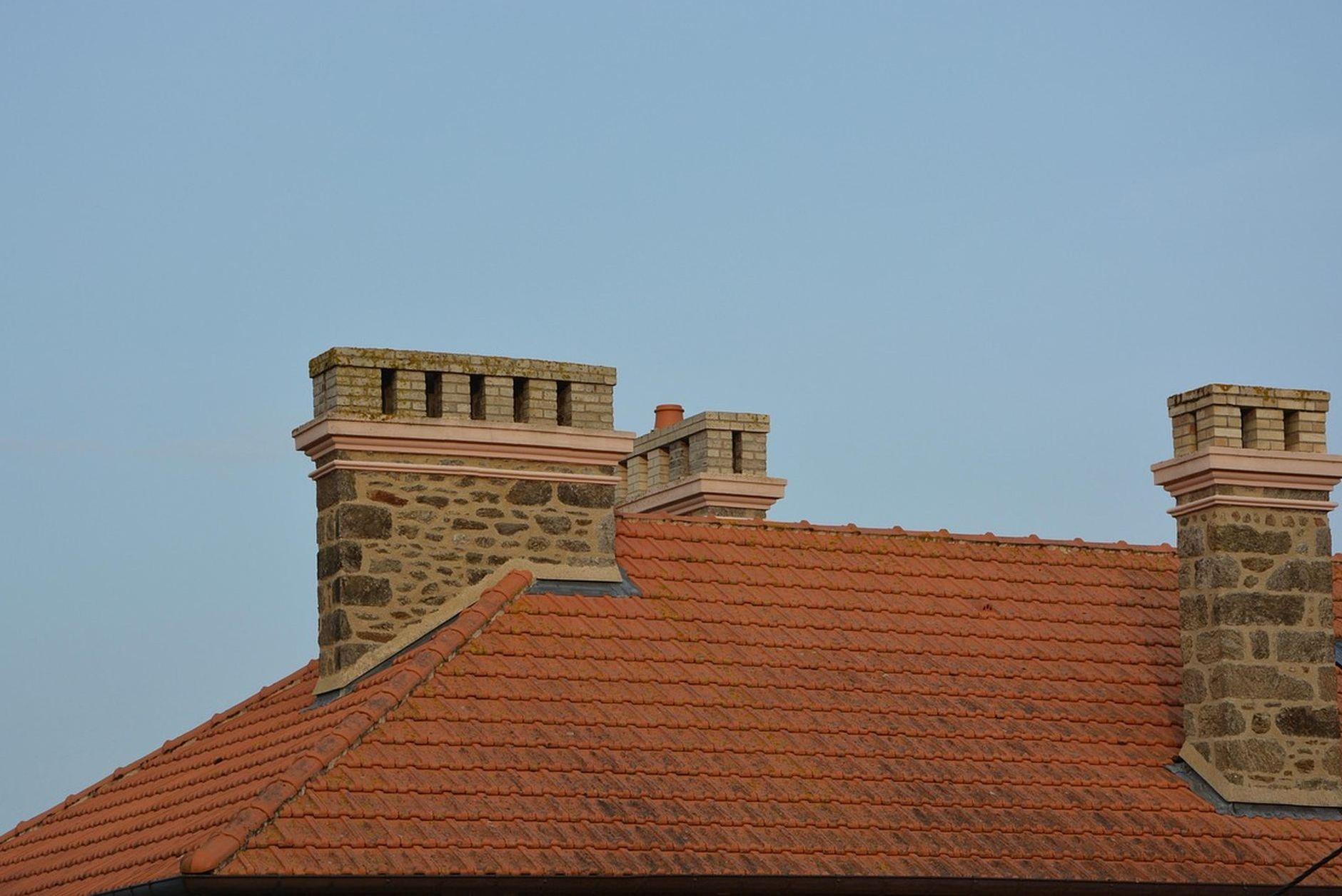
A sound repair after a fire looks like this on camera: one continuous liner from the appliance to the top, sealed under the cap, with the cracked tile behind it no longer carrying smoke. On the roof, firm mortar and a crown that sheds water away from the brick. In the attic, clean wood or new wood beside the chimney.
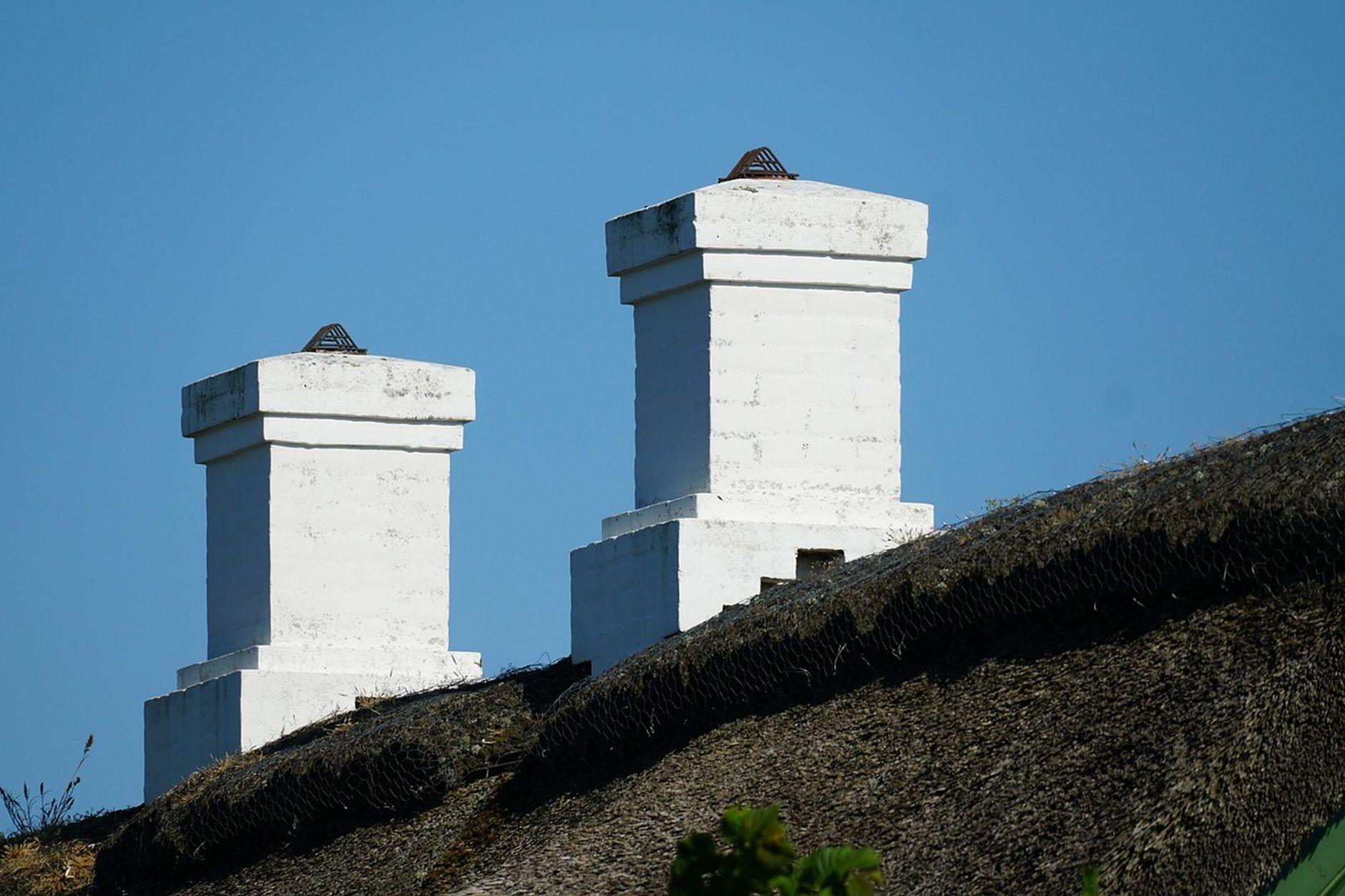
A poor one looks like a coat of sealant brushed over cracked tile, a new cap on top of an old split flue, or a fresh crown on a stack that still rocks. None of those has to end the purchase, but each belongs on your repair request with a figure beside it.
Condos and townhouses add one more question. If the fireplace is a factory-built metal unit shared in design with every other unit in the complex, ask the association whether the fire was in your unit's flue alone or whether neighbouring flues were checked too. A fire in one metal chase can heat the framing that the next unit's chase runs beside, and the association's records are where that answer lives.
What the findings cost
Some findings carry a published price here and can go straight into a request:
| Finding on the report | Durant price |
|---|---|
| Water staining traced back to the stack | $540 to $3,250 |
| Burnt deposits still left in the flue | from $405 |
| Turning the opening over to a gas insert, if wood is out | $2,700 to $5,400 |
A cap that is missing, rusted out or the wrong fit is quoted after we measure the flue. Liners, rebuilds, crowns and dampers are priced on paper from the footage. In a purchase that written figure is what your agent negotiates with, so we send it with the report rather than after it.
What decides your next step
Two things set it: what the seller can show you, and what our camera finds. Paperwork plus a clean, continuous liner on camera usually means a short report and nothing to ask for. No paperwork plus cracked tile means a repair request built from our written figures. To get the inspection on the calendar, use the request form: say whether you are buying or selling, give the property address, and list every person who should get a copy of the report.
Timing inside the sale
Book the camera early in your inspection period, not at the tail end of it. If the report leads to a repair quote, your agent needs that number while there is still time to use it, and a roof visit can slip if the weather turns. Our page for buyer's agents explains how we fit the report inside a contingency.
If you are the seller
If the fire is on your own disclosure, a Level 2 done before listing, with your repair papers attached, answers a buyer's questions before they are asked. It also lets you fix what the camera finds on your own terms instead of under a deadline. The home sale inspection page sets out who receives which part of the report.
For the wider cost picture after a fire, see what chimney fire repairs cost.
Getting started
Buyers and sellers in Hermosa Beach, El Segundo, Lawndale and Palos Verdes Estates can reach Durant Chimney Works on the contact page. Mention that the chimney has a fire on record, so the right gear comes on the first visit.
Ready for the next step?
After a chimney fire the next step is a Level 2 survey: the full flue on camera, a written report with photos, and each repair priced before work. Durant works from Hermosa Beach across El Segundo, Lawndale, Palos Verdes Estates and the rest of the county.